
CPQ for Medical Device Manufacturing
Selling medical devices is not a standard sales process. It is a layered, high-stakes interaction where technical accuracy, regulatory compliance, and customer clarity must align perfectly. CanvasLogic brings structure into this complexity. With visual CPQ software for medical equipment and guided configuration, medical device manufacturers can simplify quoting, reduce errors, and create a more transparent buying experience for customers.





Key Challenges in Medical Equipment and Device Manufacturing
Managing highly complex product configurations
Lack of clarity for buyers
Pricing inconsistency
Heavy reliance on engineering teams
Regulatory and documentation pressure
Fragmented systems and workflows
CPQ Capabilities for Medical Device Manufacturing

Guided product configuration
CanvasLogic enables rule-based configuration, ensuring only valid product combinations are selected and reducing errors during the sales process.

Visual product configuration
Interactive 3D and visual tools help customers understand complex devices, components, and options more clearly.

Automated pricing and quoting
The platform calculates pricing automatically based on predefined logic, generating accurate quotes in minutes.

Approval workflows
Discounts, special conditions, and custom deals can be routed through structured approval processes.

Documentation support
Configuration-driven outputs help generate consistent proposals, specifications, and supporting materials.

System integration
CanvasLogic integrates with CRM, ERP, PIM, and ecommerce systems to ensure seamless data flow.


Case studies

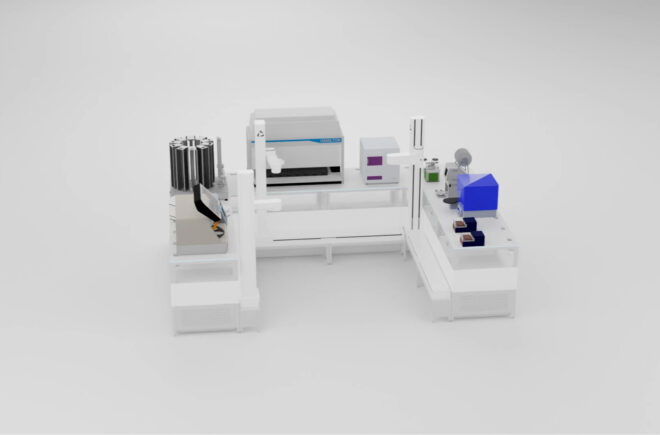
Automata, recognized for its easy-to-use industrial robots
Acknowledging the complex and repetitive tasks common in biolabs, Automata applied its automation expertise to create solutions that boost productivity and precision in these environments.

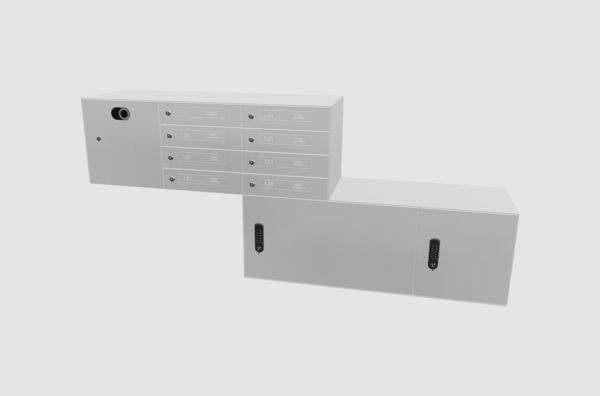
eSafe, transforming parcel system design with smart 3D configuration
eSafe teamed up with CanvasLogic to launch a 3D configurator that suggests smart layouts, enables drag-and-drop design, and shows setups in realistic environments — all integrated with their online store.

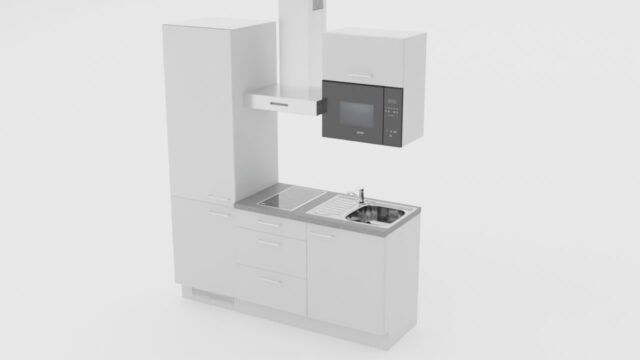
Nobilia, accelerating digital sales with its immersive 3D kitchen configurator
Responding to rising demand for fast and flexible kitchen design, Nobilia teamed up with CanvasLogic to launch a browser-based 3D configurator. The solution empowers customers and dealers to design kitchens step-by-step in real time, boosting engagement, order accuracy, and conversion.
“It’s an absolutely revolutionary way to build a lab. No one is doing this in our space, and what CanvasLogic is doing for us has put us head and shoulders above the rest in our specific field. We’re able to easily communicate the value proposition of our platform, the modularity of our LINQ Bench to help people quickly understand how flexible our platform is.”
“CanvasLogic listened to our vision and developed unique solutions that enabled us to achieve our goals. We’re thrilled with the outcome and excited that more and more of our resellers are choosing to integrate the Nobilia elements kitchen configurator into their websites and ecommerce systems.”
“From the start, the CanvasLogic team was receptive to our ideas and feedback, and took the time to understand how the configuration tool could integrate with and develop our business model.”
FAQ.
How does the CanvasLogic buyer engagement platform ensure compliance with medical device regulations?
CanvasLogic supports compliance by helping teams work with controlled product data, predefined configuration rules, consistent documentation, and structured approval workflows. While regulatory responsibility remains with the manufacturer, the platform helps reduce manual errors and keeps commercial outputs aligned with approved product logic.
Can CanvasLogic CPQ integrate with existing CRM or ERP systems used in the medical device industry?
Yes. CanvasLogic CPQ can integrate with CRM, ERP, PIM, ecommerce, and other enterprise systems commonly used by medical device manufacturers. This helps create a connected sales environment where product data, customer records, pricing rules, quote details, and order information move between systems without manual re-entry.
For example, a sales team can start an opportunity in the CRM, configure a valid medical device setup in CanvasLogic, generate an accurate quote, and then transfer approved order data to the ERP for further processing. At the same time, product information from PIM or ERP systems can feed the configurator, helping ensure that sales teams work with up-to-date components, options, prices, and availability. This integration reduces duplicate work, improves data consistency, and helps medical device manufacturers keep sales, engineering, operations, and finance aligned throughout the quoting and ordering process.
How does the platform help manage documentation required for regulatory submissions?
CanvasLogic can support the generation and organization of product-related documentation by connecting configurations with approved technical and commercial data. This helps teams create more consistent proposals, specification sheets, and supporting materials for internal review, customer communication, or regulatory preparation.